Overview
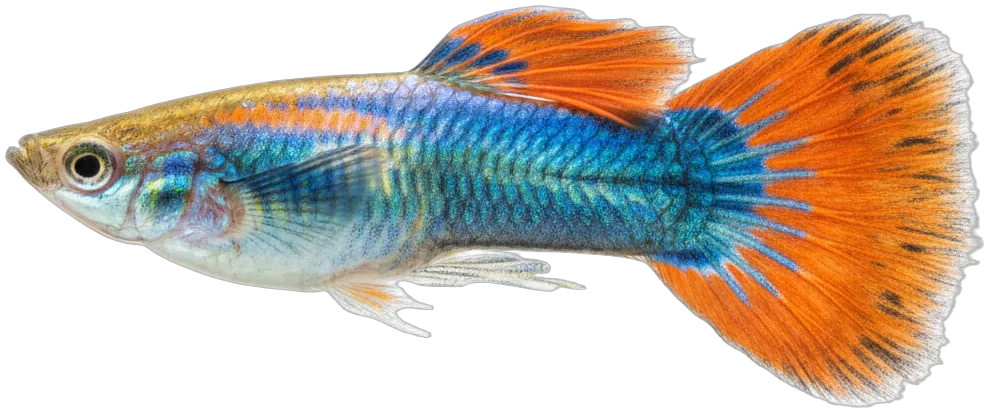
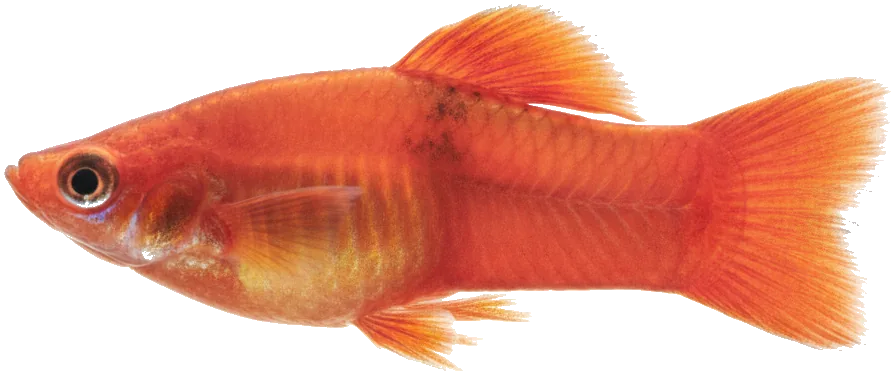
The platy is one of the most popular starter fish in the world, and for good reason. It comes from warm, slow streams and pools in southern Mexico and Central America. Platies are calm, friendly, and come in almost every color you can imagine, from bright orange and red to blue, yellow, and speckled patterns that fish breeders have created over the years.
One of the most amazing things about platies is that they are livebearers, which means the mother does not lay eggs. Instead she gives birth to fully formed, tiny swimming babies called fry. A single female can have a couple of dozen babies at a time, so platy tanks often fill up with young fish. Their easygoing nature and colorful looks make them a favorite for kids and beginners.
| Care level | Easy |
| Adult size | 2.5 in (6 cm) |
| Lifespan | 3-4 years |
| Temperament | Peaceful |
| Min. tank | 10 gal (38 L) |
| Temperature | 70-78 F (21-26 C) |
| pH | 7.0-8.2 |
| Diet | Omnivore |
| Schooling | No, but happier in groups |
Born ready to swim
Platies are livebearers, so their babies come out swimming instead of hatching from eggs. Newborn fry can dart into plants to hide from bigger fish within seconds of being born.
A rainbow made by breeders
Wild platies are fairly plain, but people have bred them into a huge range of colors and tail shapes. Names like sunset, wagtail, and mickey mouse platy describe their bright patterns.
Peaceful community members
Platies get along with almost every calm fish. They make great tankmates for other gentle community fish and rarely bother anyone, which is why beginners love them.
A little bit of salt in the water
In the wild platies sometimes live where fresh river water mixes with a touch of salty water. They are very hardy and can handle a wide range of water conditions, one reason they are so easy to keep.
Boys and girls look different
Male platies are usually smaller and slimmer, while females are rounder, especially when carrying babies. Telling them apart helps keepers control how many fry they end up with.
Fun facts
- Platies give birth to live babies instead of laying eggs.
- They come from the warm streams of Mexico and Central America.
- One female can have 20 to 40 babies at a time.
- Fish breeders have created dozens of platy colors and patterns.
- They are close cousins of the swordtail fish.
Frequently asked questions
Are platies good for beginners?
Yes, they are one of the best starter fish. They are hardy, peaceful, and forgiving of small mistakes while you learn.
Do platies really have live babies?
They do. The mother gives birth to tiny swimming fry rather than laying eggs, and it happens often in a healthy tank.
Will the parents eat the babies?
Sometimes they do. Live plants and hiding spots give the fry places to escape and grow up safely.
How many platies should I keep together?
A small group of three to five is ideal. If you do not want lots of babies, keep just males or just females.