Overview
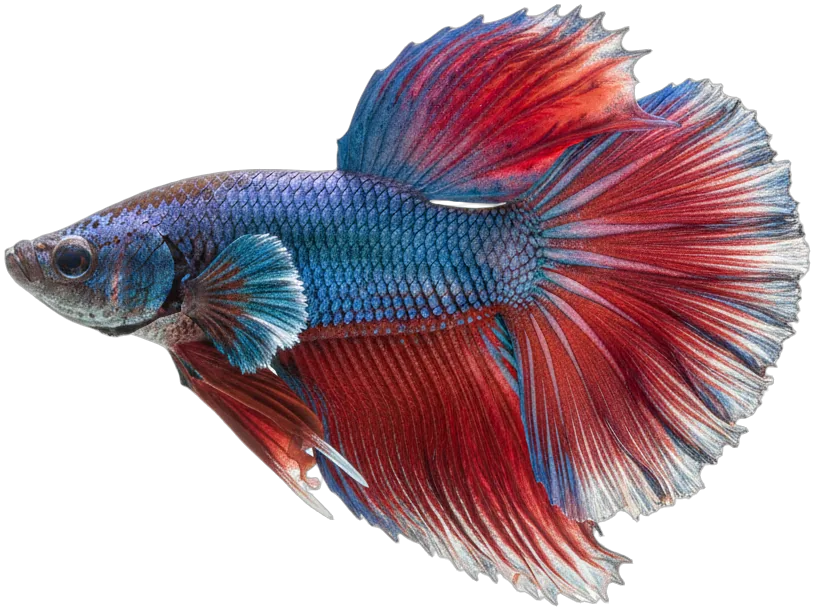
The betta (Betta splendens), or Siamese fighting fish, is a small freshwater labyrinth fish native to the shallow rice paddies, floodplains and slow canals of Thailand, Cambodia and Vietnam. Its labyrinth organ lets it gulp air from the surface, so it thrives in the warm, still, low-oxygen water that would suffocate most fish.
Centuries of selective breeding have turned a drab brown wild fish into one of the most ornamental animals in the hobby, with veiltail, halfmoon, crowntail and plakat forms in almost every colour. Males are famously territorial , two in one tank will fight , which is where the 'fighting fish' name comes from.
| Care level | Beginner |
| Adult size | 2.5-3 in (6-8 cm) |
| Lifespan | 3-5 years |
| Temperament | Aggressive (males solitary) |
| Min. tank | 5 gal (19 L) |
| Temperature | 76-82°F (24-28°C) |
| pH | 6.5-7.5 |
| Hardness | 5-20 dGH |
| Diet | Carnivore |
| Schooling | No , keep one male per tank |
Water & tank conditions
Bettas want warm, stable water: 76-82°F, pH near neutral, and gentle or no current. Despite the myth of the desk-side cup, a betta needs a properly filtered, heated tank of at least 5 gallons with a cycled nitrogen cycle. Keep the surface partly open and calm so the fish can breathe and build bubble nests.
Aquascape & setup
Plant densely with broad-leaved plants (Anubias, Amazon sword) and floating cover; a betta hammock leaf near the surface is a favourite resting spot. Use a low-flow filter, a lid (bettas jump), and soft substrate. Silk or live plants only , hard plastic plants tear their delicate fins.
Diet & feeding
Bettas are carnivores built for protein. Feed a quality betta pellet as a staple and rotate in frozen or live bloodworms, daphnia and brine shrimp. Feed a small amount once or twice a day and skip one day a week; overfeeding is the leading cause of bloat and fouled water.
Tankmates & temperament
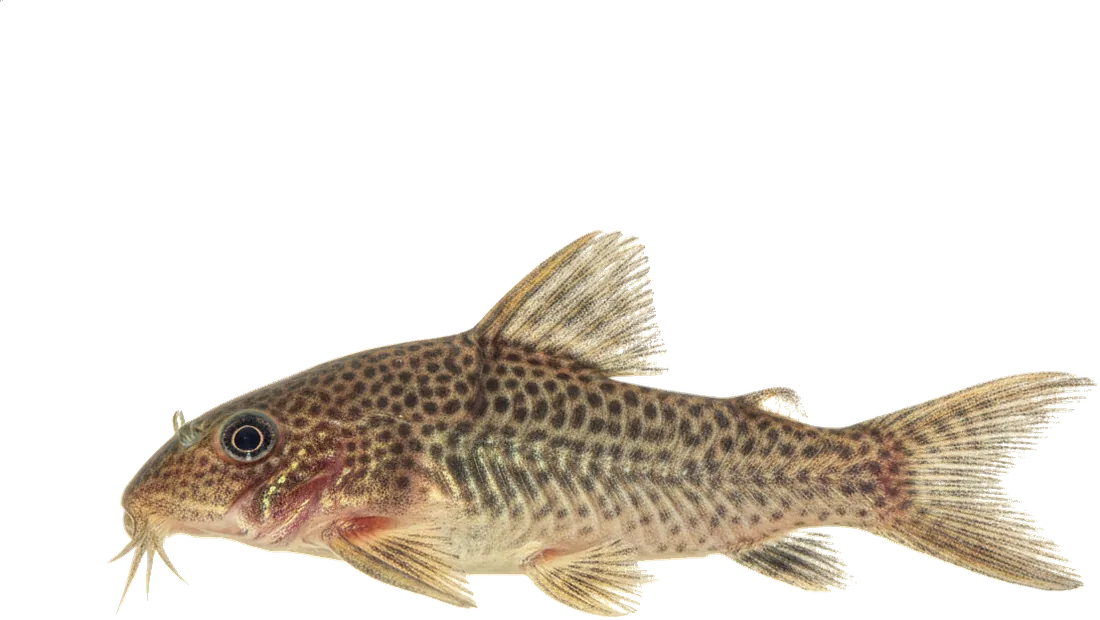
Never house two males together. A single male can sometimes share a peaceful community (5+ tetras, corydoras, snails, shrimp with caution) in a larger, well-planted tank, but fin-nippers and other flashy, long-finned fish are off the menu. Watch for flaring and chasing and be ready to separate.
Breeding
Males build a floating bubble nest, then wrap around the female in an embrace, catching and placing eggs in the nest. The male guards and tends the nest and fry, and the female is removed after spawning. Raising fry requires infusoria and finely crushed foods and a lot of patience.
Fun facts
- A betta's labyrinth organ works like a primitive lung , it must reach the surface to breathe.
- Males build floating bubble nests from saliva-coated air bubbles to hold their eggs.
- The wild ancestor is a plain greenish-brown fish; every vivid colour is the result of selective breeding.
- Bettas can learn to recognise their owner and will follow a finger or come for feeding.
- 'Flaring' , spreading the gills and fins , is a territorial display, not always a sign of distress.
Frequently asked questions
How big a tank does a betta fish need?
A single betta needs a minimum of 5 gallons (19 litres) that is filtered, heated and cycled. Bigger is better and more stable; the tiny cups and bowls often sold are not adequate long-term homes.
Can two betta fish live together?
Two males must never share a tank , they will fight, often to the death. A male and female should only be together briefly for supervised breeding. Some peaceful community tankmates can work with a single betta in a large, planted tank.
What do betta fish eat?
Bettas are carnivores. Feed a high-protein betta pellet as the staple and supplement with frozen or live bloodworms, daphnia and brine shrimp. Feed small portions once or twice daily and avoid overfeeding.
How long do betta fish live?
With good water, warmth and diet, bettas typically live 3-5 years. Poor conditions (cold, dirty or tiny tanks) shorten that dramatically.
What water temperature do bettas need?
Bettas are tropical and need a heated tank held at 76-82°F (24-28°C). Cold water makes them lethargic and prone to disease.