Overview
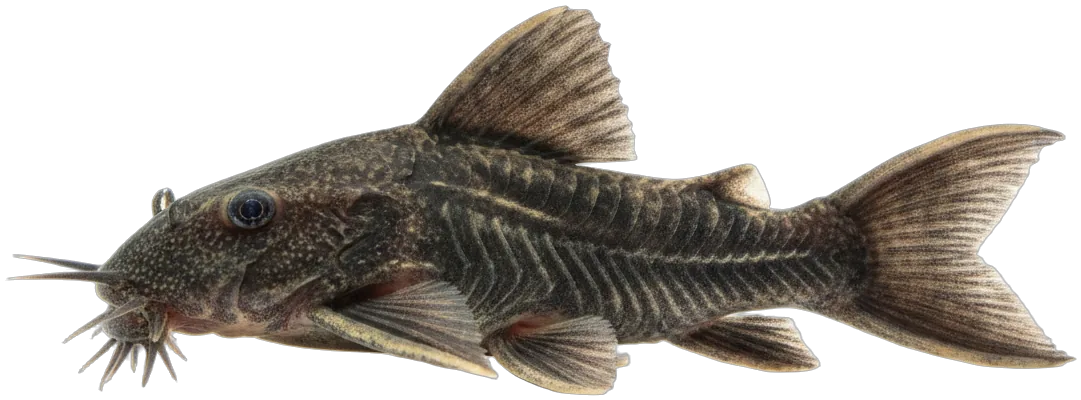
The Bristlenose Pleco is a small armored catfish from the fast, oxygen-rich rivers of South America. It is easy to spot because of the bushy, branch-like whiskers, called bristles, that grow on the nose of the males. Its body is covered in bony plates like armor, and it has a wide sucker mouth it uses to cling to surfaces and scrape off algae all day long.
Fishkeepers love the Bristlenose Pleco because it stays small, only about four or five inches, unlike the common pleco that can grow to the size of a dinner plate. It is peaceful, hardy, and a fantastic natural cleaner, munching algae off the glass, rocks, and driftwood. That makes it one of the best algae-eating helpers for a home aquarium.
| Care level | Beginner |
| Adult size | 4-5 in (10-13 cm) |
| Lifespan | 5-12 years |
| Temperament | Peaceful |
| Min. tank | 20-30 gallons (76-114 liters) |
| Temperature | 73-81°F (23-27°C) |
| pH | 6.5-7.5 |
| Diet | Mostly plant eater that grazes algae and needs sinking veggie foods |
| Schooling | No, happy alone or with one or two others in a big tank |
Water and tank
Bristlenose Plecos come from flowing rivers, so they like clean, well-oxygenated water with a decent current. A 20 to 30 gallon tank suits one comfortably. They produce a fair amount of waste for their size because they eat so much, so a strong filter and regular water changes are important to keep the water clear and healthy for them.
Aquascape and setup
Driftwood is a must-have for these catfish. They rasp on the wood and actually need to eat some of it to help their digestion. Give them caves and shady hiding spots too, because they are shy and mostly come out at dusk and night. A tank with live plants, wood, and some algae growth on the surfaces is a Bristlenose paradise.
Diet and feeding
Bristlenose Plecos are mostly plant eaters. They graze on algae, but a tank rarely grows enough to feed them fully, so you must add food. Offer sinking algae wafers and blanched vegetables like zucchini, cucumber, and sweet potato. A piece of driftwood to gnaw on helps their tummy. Feed after the lights go out, since they are most active at night.
Tankmates and temperament
These plecos are calm and peaceful and mostly keep to themselves, minding the bottom and walls of the tank. They mix well with almost any community fish, from tetras to livebearers to gouramis. Males can be a bit territorial with other male plecos, so in a smaller tank it is best to keep just one. They will not bother other fish at all.
Why the bristles?
The bushy whiskers give this fish its name, and they are much bigger and branchier on the males than the females. Scientists think the bristles may help males look like they are guarding a nest full of babies, since caring for eggs is a male job. The father Bristlenose guards the eggs in his cave and fans them until they hatch.
Fun facts
- Male Bristlenose Plecos grow bushy, branch-like whiskers, while females have only tiny ones.
- They stay small, around four or five inches, unlike common plecos that reach over a foot long.
- They actually eat wood, gnawing on driftwood to help their digestion.
- The father guards the eggs, fanning them with his fins inside a cave until they hatch.
- They are one of the best natural algae cleaners you can add to a freshwater tank.
Frequently asked questions
Will a Bristlenose Pleco keep my tank totally clean?
They eat a lot of algae and help a great deal, but no fish keeps a tank spotless on its own. You still need to feed them extra food and do regular cleaning and water changes.
How big do they get?
About four to five inches, which is one reason they are so popular. They stay much smaller than the common pleco that can grow over a foot long.
Do they need driftwood?
Yes. Bristlenose Plecos rasp on driftwood and need to eat a little of it for healthy digestion, so a piece of wood in the tank is important.
Are the bristles dangerous?
Not at all. The bristles are soft, whisker-like growths on the nose, mostly on males. They are harmless and are just part of what makes this fish so charming.