Overview
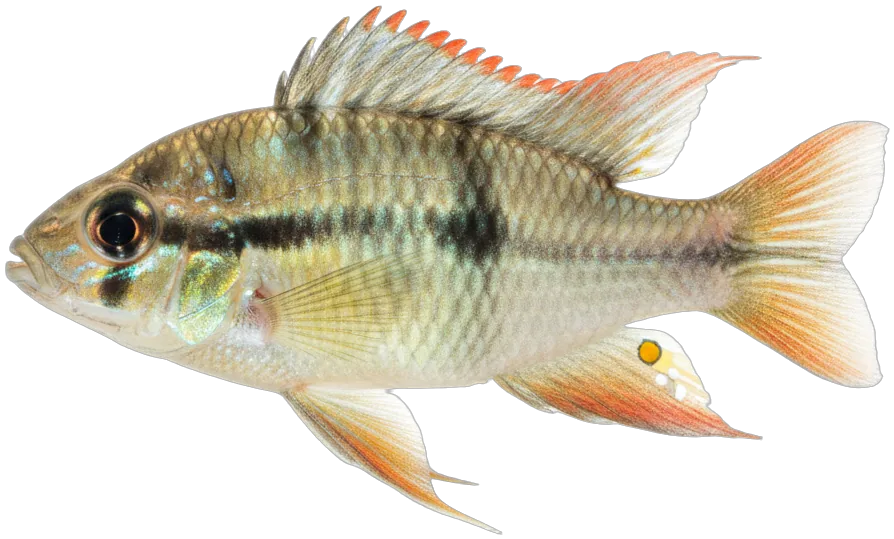
The Bolivian Ram is a friendly dwarf cichlid from the warm rivers of Bolivia and Brazil in South America. It has a soft golden-tan body with a black eye stripe, a dark spot on its side, and touches of red and yellow on its fins. It may not be quite as flashy as its cousin the German Blue Ram, but it is much hardier and more forgiving, which makes it a great first cichlid.
Bolivian Rams are calm and curious, spending their days sifting through the sand looking for bits of food. They are peaceful for cichlids and get along well in a community tank. With their easygoing nature and interesting behavior, they give keepers the fun of owning a cichlid without needing years of experience.
| Care level | Beginner to intermediate |
| Adult size | 3-3.5 in (7-9 cm) |
| Lifespan | 4-6 years |
| Temperament | Peaceful for a cichlid |
| Min. tank | 30 gallons (114 liters) |
| Temperature | 72-82°F (22-28°C) |
| pH | 6.0-7.5 |
| Diet | Omnivore that eats sinking pellets, flakes, and frozen foods |
| Schooling | No, kept as a pair or a small group in a large tank |
Water and tank
Bolivian Rams are more forgiving than many dwarf cichlids and handle a wide range of water conditions, as long as it is warm and clean. A pair does well in a 30 gallon tank. They prefer soft to medium water that is slightly acidic to neutral. Steady temperature and regular water changes keep them stress-free, since sudden swings can make any cichlid unhappy.
Aquascape and setup
A soft sand bottom is important because these fish love to scoop up mouthfuls of sand and sift out tiny food, spitting the sand back out. Give them caves, driftwood, smooth rocks, and plants for cover and for claiming territory. Leaving some open floor space lets them do their natural sand-sifting, which is one of the most fun things to watch them do.
Diet and feeding
Bolivian Rams are omnivores that hunt small creatures in the sand in the wild. Feed them sinking pellets or granules as a base, since they mostly eat near the bottom, and add frozen or live treats like bloodworms, brine shrimp, and daphnia. A varied diet keeps their colors warm and their bodies strong. Feed small amounts a couple of times a day.
Tankmates and temperament
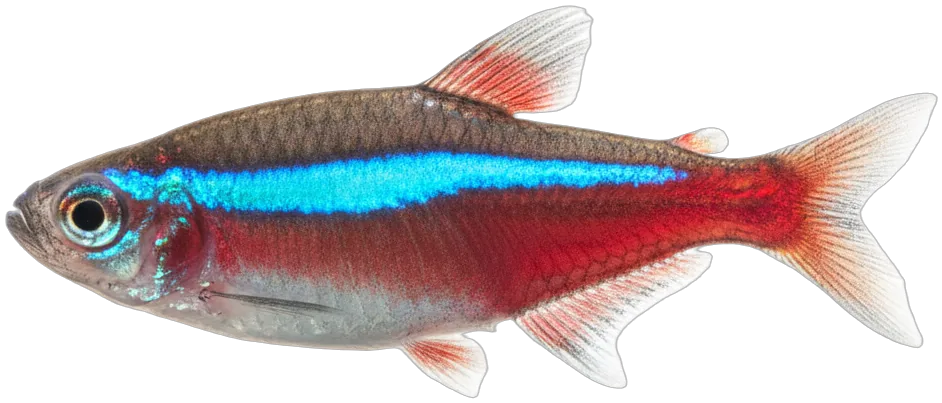
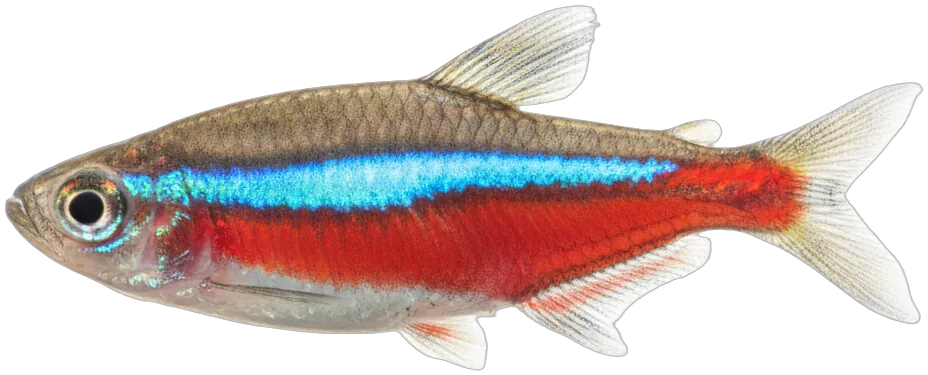
For a cichlid, the Bolivian Ram is remarkably peaceful. It mixes well with calm community fish like tetras, rasboras, corydoras, and other gentle species. They may squabble a little among themselves over territory, especially at breeding time, but they rarely harm other fish. Avoid very aggressive or very tiny tankmates so everyone stays comfortable.
Great parents
Bolivian Rams often pair up and make wonderful, caring parents. They clean a flat rock or leaf and the female lays her eggs there, then both parents guard and fan them. After the eggs hatch, the mom and dad lead the little cloud of fry around the tank and even move them to fresh pits in the sand. Watching a pair raise babies together is a real treat.
Fun facts
- The Bolivian Ram is hardier and easier to keep than the flashier German Blue Ram.
- It sifts mouthfuls of sand to find tiny bits of food, then spits the sand back out.
- Both parents share the job of guarding and raising their babies.
- Its scientific name Mikrogeophagus means 'small earth eater', because of its sand-sifting habit.
- It comes from the warm rivers of Bolivia and Brazil in South America.
Frequently asked questions
Are Bolivian Rams good for beginners?
Yes, they are one of the best beginner cichlids. They are peaceful and much more forgiving of water conditions than many other dwarf cichlids.
Do I need sand for them?
Sand is strongly recommended. Bolivian Rams love to sift sand for food, and sharp gravel can hurt their mouths and stop this fun natural behavior.
Can I keep them with other fish?
Absolutely. They are peaceful for cichlids and do well with calm community fish like tetras, rasboras, and corydoras.
How is the Bolivian Ram different from the German Blue Ram?
The Bolivian Ram is bigger, more golden in color, hardier, and easier to keep. The German Blue Ram is smaller and more colorful but needs warmer, cleaner, more careful water.