Overview
The African dwarf frog is a very small frog that lives its whole life underwater. It comes from slow moving rivers, ponds, and pools in central Africa. Unlike its bigger cousin the African clawed frog, this little frog is gentle and peaceful, and it has fully webbed front feet, like tiny paddles, instead of separate fingers. It only grows to about the size of a large coin.
These frogs are popular because they are calm, funny to watch, and one of the few frogs that can safely share a tank with peaceful fish. They spend their days resting, slowly walking across the bottom, and now and then darting up to the surface for a gulp of air before floating back down. Because they are so small and slow, their food must sink and reach them, or faster tankmates will grab it all first.
| Care level | Easy |
| Adult size | 1-1.5 in (2.5-4 cm) |
| Lifespan | 5 years, sometimes more |
| Temperament | Peaceful and shy |
| Min. tank | 5-10 gallons (19-38 liters) |
| Temperature | 72-78F (22-26C) |
| pH | 6.5-7.5 |
| Diet | Carnivore (frozen and live meaty foods, sinking pellets) |
| Habitat | Calm, fully aquatic freshwater tank with hiding spots |
What it is and where it comes from
The African dwarf frog is a fully aquatic amphibian from the warm, slow waters of central Africa. It breathes air at the surface using simple lungs but spends its life underwater. It is easy to mix up with the young African clawed frog, but you can tell them apart because the dwarf frog stays tiny and has fully webbed front feet, while the clawed frog grows large and has separate clawed toes.
Tank and water needs
A small group of dwarf frogs is happy in a calm tank of about 5 to 10 gallons (19 to 38 liters), kept warm between 72 and 78F (22 to 26C). They like gentle water with soft filtration, since they are weak swimmers and strong currents tire them out. Add plants, caves, and other hiding spots so they feel safe. A lid is a good idea, and the water line should sit a little below the top so they can reach the surface easily.
Diet and feeding
Dwarf frogs are carnivores with poor eyesight, so they hunt mostly by smell and touch. They love bloodworms, brine shrimp, and small sinking pellets made for frogs. Because they are slow, it helps to feed them at a spot they know, sometimes with a feeding dish, so faster fish do not steal every meal. Feed small amounts every day or two and remove leftovers so the water stays clean.
Behaviour and handling
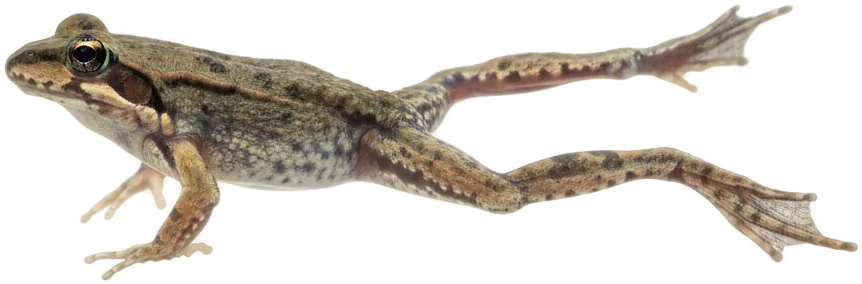
These frogs are shy and peaceful. They often float with their arms and legs stretched out in what fans call the zen pose, then paddle up to the surface for air. They can live with calm, small fish that will not bully them or eat their food. Their skin is soft and easily hurt, so they should not be handled. They are meant to be watched, not held.
Air gulps and singing
Even though they live underwater, African dwarf frogs breathe air, so they zip up to the surface for quick gulps. Males can also make a soft humming or buzzing sound underwater, a bit like quiet singing, to call to females. Hearing a tiny frog hum in a home tank is a fun surprise for many keepers.
Fun facts
- African dwarf frogs are tiny, only about 1 to 1.5 inches long.
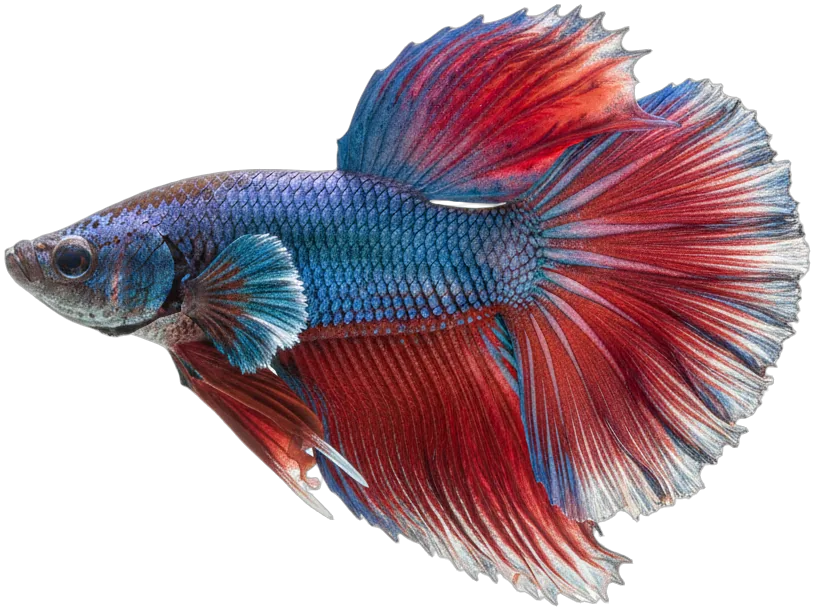
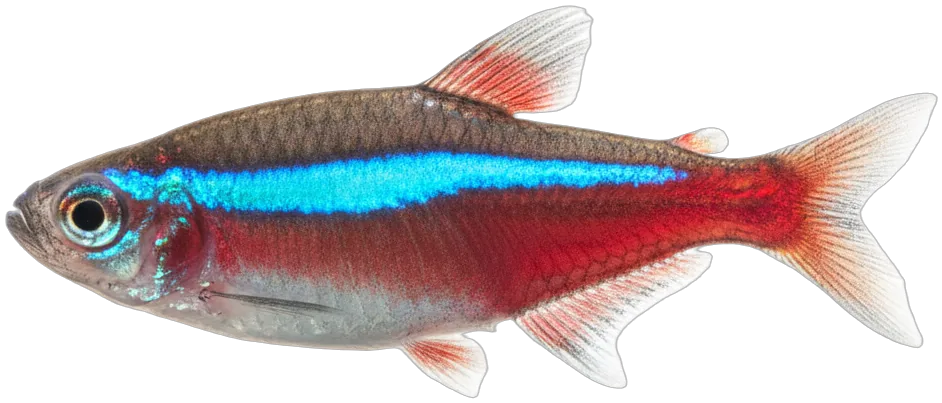
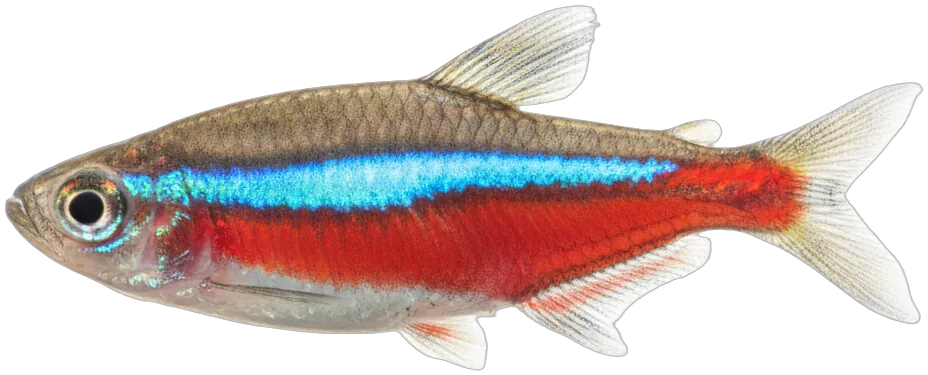
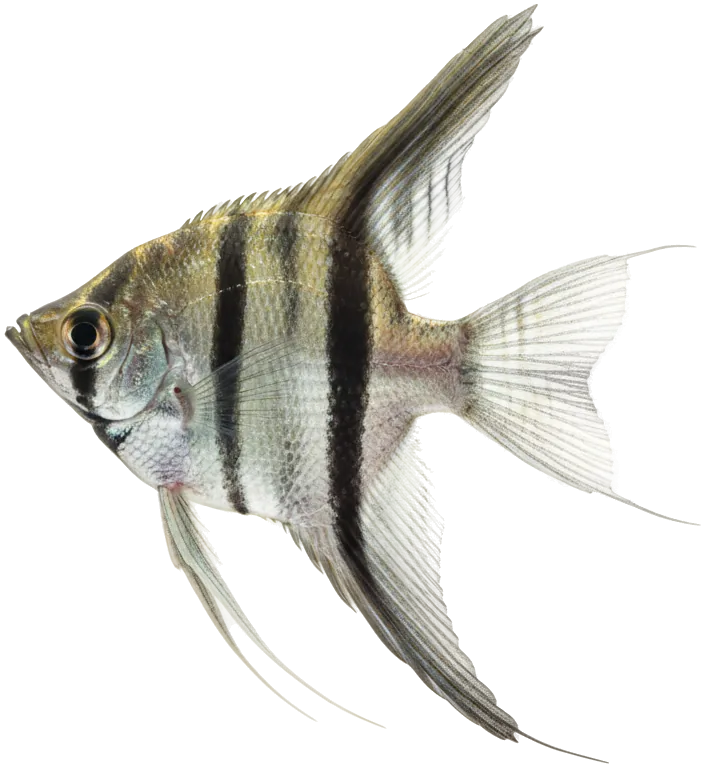
- They are one of the few frogs peaceful enough to live with small, calm fish.
- They have fully webbed front feet, unlike the clawed frog which has separate toes.
- They breathe air and swim to the surface for quick gulps.
- Male dwarf frogs can hum softly underwater to call to females.
Frequently asked questions
Can African dwarf frogs live with fish?
Yes, if the fish are small, calm, and gentle. Avoid big or nippy fish that could bully the frogs or eat all their food.
How is a dwarf frog different from a clawed frog?
The dwarf frog stays tiny and peaceful and has fully webbed front feet. The clawed frog grows large, is very hungry, and has clawed toes. They look alike when young, so check the feet and size.
Do they need land to sit on?
No. African dwarf frogs are fully aquatic and live underwater. They only pop up to the surface to breathe air.
Why does my frog swim to the top so much?
It is going up for air. These frogs breathe with lungs, so they need to reach the surface. Keep the water line a little below the tank top so they can get there easily.