Overview
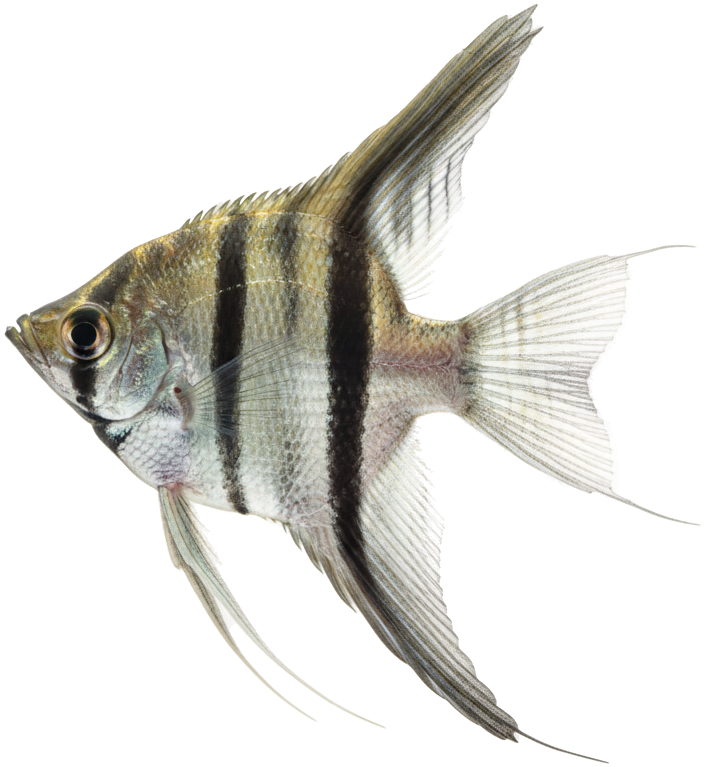
The freshwater angelfish is a laterally-flattened cichlid from the slow, warm rivers and flooded forests of the Amazon basin. Its tall triangular body and trailing fins are adapted to hiding among vertical roots and stems, and it has become one of the most iconic community-tank centrepieces.
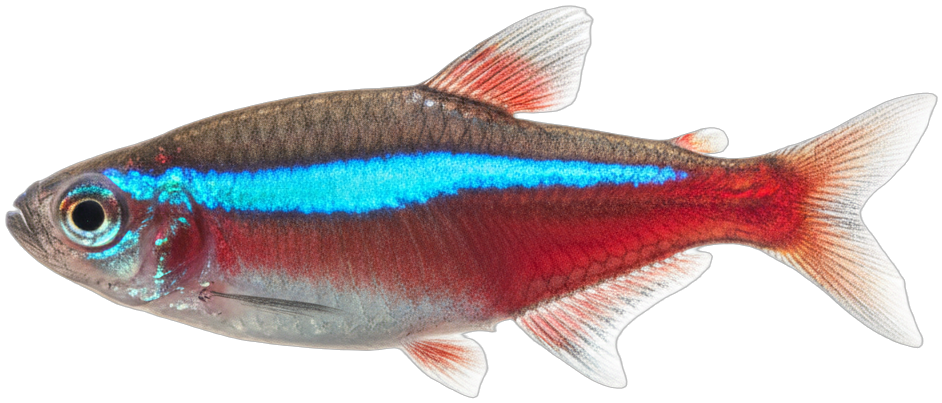
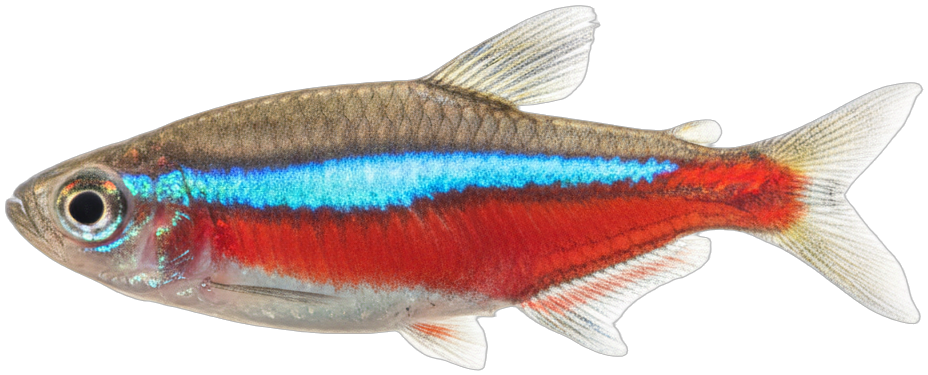
Angelfish are intelligent and personable but are still cichlids: they can be territorial, especially when paired and spawning, and they will eat fish small enough to fit in their mouths , including neon tetras.
| Care level | Intermediate |
| Adult size | 6 in tall (15 cm) |
| Lifespan | 10-12 years |
| Temperament | Semi-aggressive |
| Min. tank | 29 gal tall (110 L) |
| Temperature | 76-84°F (24-29°C) |
| pH | 6.5-7.5 |
| Hardness | 3-10 dGH |
| Diet | Omnivore |
| Schooling | Loose groups; forms pairs |
Water & tank conditions
Warm, gently-flowing water of 76-84°F, near-neutral pH and soft-to-moderate hardness suits them. Because they grow tall, they need a TALL tank , 29 gallons and up , rather than a long, shallow one.
Aquascape & setup
Recreate their rooty habitat with tall plants (Amazon sword, vallisneria), driftwood and vertical structure. Leave open swimming height in the middle and a flat surface (broad leaf or slate) that a pair may adopt as a spawning site.
Diet & feeding
Omnivores with a hearty appetite. Feed a quality cichlid or tropical flake/pellet plus frozen and live foods , bloodworms, brine shrimp, blackworms. Vary the diet and don't overfeed.
Tankmates & temperament
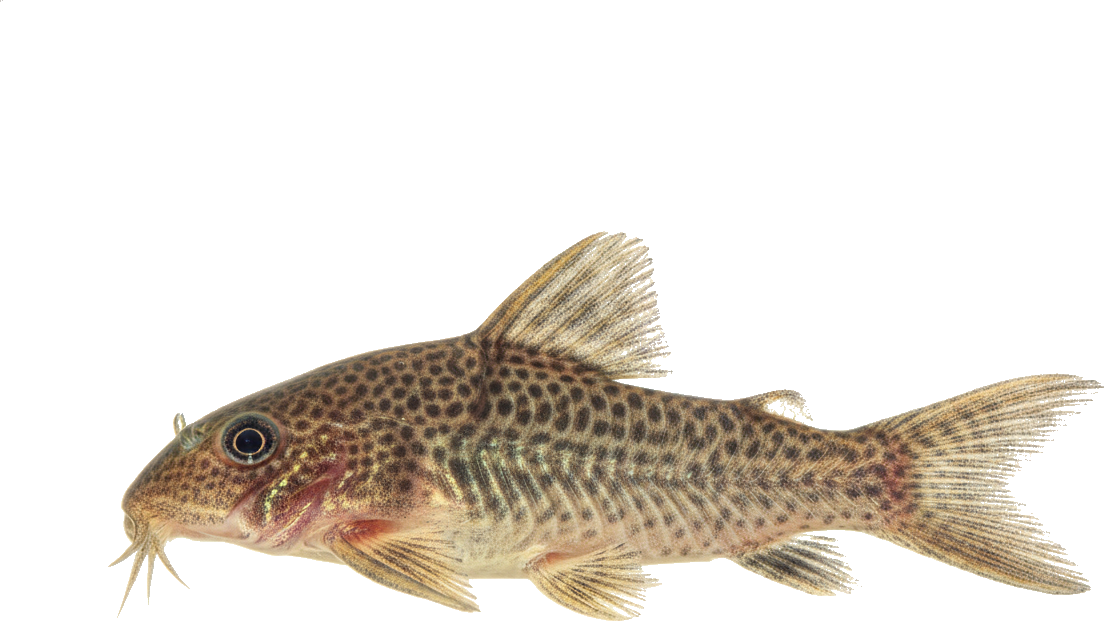
Keep with medium, peaceful community fish that are too big to eat and won't nip fins: larger tetras, rasboras, corydoras, gouramis and peaceful catfish. Avoid tiny fish (neons), notorious fin-nippers (tiger barbs) and other pushy cichlids.
Breeding
Angelfish pair off and are devoted parents, laying eggs on a cleaned vertical surface and fanning and guarding them. A bonded pair will spawn repeatedly; separating them from the community protects the fry.
Fun facts
- Despite their serene looks, angelfish are cichlids and will eat neon tetras small enough to swallow.
- They grow taller than they are long , always choose a tall tank, not a shallow one.
- A bonded pair cleans a leaf or slate and guards the eggs and fry together.
- Selective breeding has produced koi, marble, zebra, veil and platinum varieties from the wild silver form.
- Well cared for, angelfish can live 10 years or more.
Frequently asked questions
What size tank do angelfish need?
Because angelfish grow tall, they need a tall tank of at least 29 gallons (110 litres) for one or a pair, and larger for a group. Height matters more than length for this species.
Can angelfish live with neon tetras?
It is risky. Adult angelfish are cichlids and will eat fish small enough to fit in their mouths, and neons are a natural prey item. Larger tetras and rasboras are safer tankmates.
Are angelfish aggressive?
They are semi-aggressive. Juveniles are peaceful, but adults , especially bonded, spawning pairs , become territorial and will defend a patch of the tank.
How long do angelfish live?
With good care they commonly live 10-12 years, making them a long-term commitment.
What do angelfish eat?
They are omnivores. Feed a quality cichlid or tropical pellet/flake plus frozen and live foods such as bloodworms and brine shrimp, with a varied diet for the best colour and health.